The hook – which is usually the first three seconds of an ad, video, or social post – determines whether the audience stops, watches, clicks, or scrolls away. That’s all the time you get, so use it wisely. Strong hooks use tension, audience relevance, pattern interrupts, curiosity, and a clear outcome. Ask yourself what would stop you scrolling?
 Why the Hook Matters More Than Almost Everything Else
No one will get to your offer, buy from you or sign up to any of your services if you don’t grab their attention.
That is the brutal reality for every content creator, brand, marketing manager, and CMO operating in a feed-based world. You can have the best product, the cleanest landing page, the strongest customer proof, and the sharpest CTA – but if the first three seconds are flat, the rest of the asset may as well not exist because no one is going there.
The short-form example below makes this point clearly.
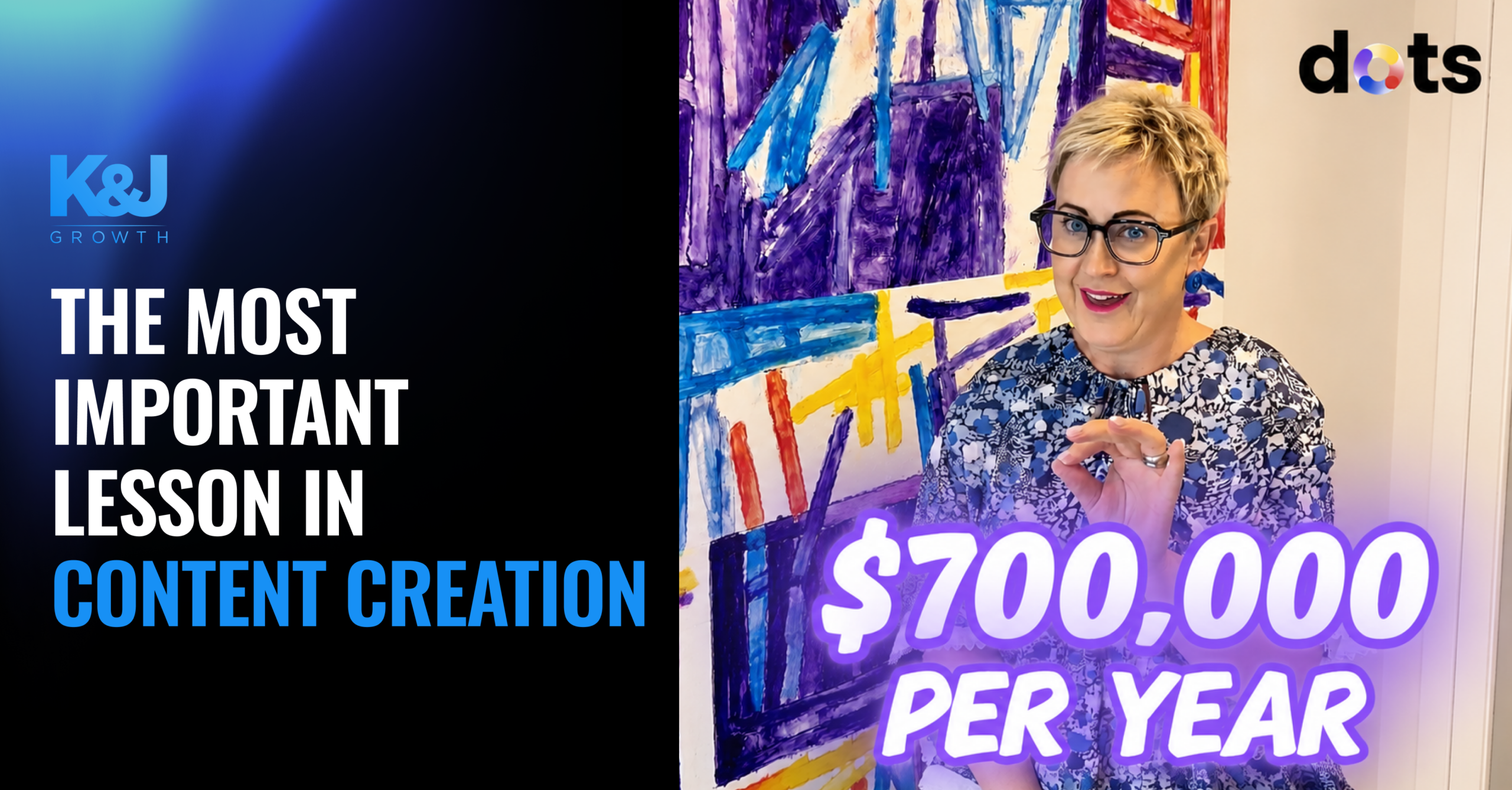
Lets look at Hook A: This uses slow-moving B-roll of papers and is described as “pretty boring”.
Now lets look at Hook B which opens with immediate drama: “An employee tried to spend $77K on the company card…”
That contrast is the whole lesson.
Hook A asks the viewer to wait.
Hook B gives the viewer a reason to care now.
For marketing managers and CMOs, this is not just a creative preference. It is a performance lever. The hook affects thumb-stop rate, watch time, click-through rate, cost per acquisition, creative fatigue, and ultimately the efficiency of your paid and organic content engine.
 What Is a Hook in Content Creation?
For a content creator, the hook can appear in different formats:
- The first line of a LinkedIn post
- The opening three seconds of a TikTok, Reel, or YouTube Short
- The headline of a landing page
- The first sentence of an email
- The visual opener of a paid social ad
- The first frame of a video creative
- The subject line of a newsletter
The hook has one job: make the right person feel that continuing is worth their time.
That means a strong hook is not just loud. It is relevant.
A shocking statement that attracts the wrong audience is not a good hook. It may boost views, but it will weaken conversion. A strong hook filters as much as it attracts.
The best hooks tell the target audience: “This is for you. This problem matters. Keep watching.”
 Why Using a Real Human Usually Improve Hook Performance
If you can add a human, hooks almost always perform better. People are wired to notice people.
A human face, reaction, voice, or emotional expression gives the content social information. It helps the viewer read context quickly.
This is especially important in paid social creative, where the user is not actively searching for your product. They are scrolling. A human can create emotional friction faster than a product shot or abstract B-roll.
For marketing teams, this does not mean every ad needs to become influencer content. It means your creative should feel inhabited.
Use:
- Founder-led videos
- Customer reactions
- Employee scenarios
- Sales call reenactments
- User-generated content
- Expert breakdowns
- Before-and-after stories
A product feature is easier to ignore than a human problem.
Put the human problem first.
Then introduce the product.
 Hook A vs Hook B: What Marketing Teams Should Learn
Let’s go back to the example I provided and take a look at the strategic difference.
| Element | Hook A: Slow B-Roll | Hook B: Immediate Drama |
| Opening energy | Low | High |
| Problem clarity | Unclear | Immediate |
| Audience signal | Weak | Strong for business/finance audience |
| Pattern interrupt | Minimal | Strong emotional and verbal interruption |
| Curiosity | Low | High |
| Human presence | Limited or absent | Human reaction visible |
| Likely viewer response | Scroll | Watch to understand what happened |
| Strategic lesson | Context is not enough | Tension earns attention |
The mistake behind Hook A is common.
Brands often open with what they think looks professional: office shots, documents, dashboards, product screens, or generic lifestyle footage.
But professional does not always mean effective.
A feed is not a boardroom. It is a battlefield for attention.
You need contrast. You need stakes. You need relevance.
 A Simple Hook Checklist for Marketing Teams
Before publishing any ad, post, Reel, Short, or campaign asset, ask:
- Does the first line or frame create tension?
- Is it obvious who this is for?
- Is there a pattern interrupt?
- Is there a reason to keep watching?
- Is the outcome or promise visible early?
- Does the hook sound like something a real person would say?
- Could the hook be understood without extra context?
- Does it connect to a commercial problem?
- Would your target customer feel seen?
- Is there a human moment where possible?
If the answer is no to most of these, the content is probably not ready.
Do not fix weak content by adding more information.
Fix it by sharpening the opening.
 The Hook Formula for Content Creators
Here is a practical hook formula marketing teams can use:
Audience + Problem + Tension + Curiosity + Outcome
For example:
“Marketing managers are spending $50K a month on content that gets engagement but creates no pipeline. Here is the missing step.”
Breakdown:
- Audience: Marketing managers
- Problem: Content not creating pipeline
- Tension: $50K/month wasted
- Curiosity: Missing step
- Outcome: Better content performance
Another example:
“Your content creator is not failing because they lack ideas. They are failing because the brief gives them no tension.”
That hook works because it challenges a common assumption. It is specific, relevant, and slightly uncomfortable.
Good hooks often live in that uncomfortable zone.
Not offensive. Not gimmicky. Just sharp enough to make someone pause.
 Three Practical Use-Cases You Can Execute Immediately
1. Rewrite Your Next 10 Hooks Before Creating the Content
Before filming, designing, or writing the full asset, create 10 hook options.
Do not start with the body.
Start with the opening.
Use these prompts:
- What is the painful moment?
- Who exactly is this for?
- What would make them stop scrolling?
- What question should they want answered?
- What outcome do they care about?
Then rank each hook from 1 to 5 on:
- Clarity
- Specificity
- Tension
- Curiosity
- Commercial relevance
Only build the content around hooks that score highly.
This saves time because weak hooks usually produce weak assets.
2. Build a Hook Bank From Customer Language
Your best hooks are often hiding in customer conversations.
Look through:
- Sales call transcripts
- Customer reviews
- Support tickets
- Reddit threads
- Competitor reviews
- Demo objections
- Survey responses
- Win/loss interviews
Pull out exact phrases customers use when describing pain.
For example:
- “We were flying blind.”
- “Nobody knew who approved it.”
- “It looked good, but it did not convert.”
- “We had content going out every day, but nothing was moving.”
These phrases are valuable because they already contain emotional truth.
A strong content creator does not invent pain from scratch. They harvest it.
3. Test Hooks Separately From Full Creative
Marketing teams often test entire ads and then argue about why one won.
Was it the hook? The offer? The edit? The spokesperson? The CTA? The product angle?
You do not know unless you isolate variables.
Instead, create multiple versions of the first three seconds while keeping the rest of the ad mostly the same.
Test:
- Problem-led hook
- Stat-led hook
- Customer quote hook
- Founder reaction hook
- Contrarian hook
- Scenario hook
Measure:
- Thumb-stop rate
- Three-second hold
- Average watch time
- Click-through rate
- Conversion rate
- Cost per acquisition
This helps you learn what type of tension your audience responds to.
That learning compounds.
 CMO? Here’s How You Should Think About Hooks Strategically
Hooks are not just a creator tactic.
They are a market research tool.
When one hook dramatically outperforms another, the market is telling you something. It is showing which pain point, promise, objection, or emotional frame has the most energy.
For a CMO, this means hook testing can inform:
- Positioning
- Messaging
- Sales enablement
- Landing page headlines
- Email subject lines
- Product education
- Objection handling
- Campaign strategy
A winning hook is often a compressed insight.
It tells you what the audience already cares about.
The mistake is treating hooks as disposable creative wrappers. They are not. They are demand signals.
If a hook about “wasted ad spend” beats a hook about “creative performance,” that tells you something about the buyer’s language.
If a hook about “content that gets likes but no pipeline” beats “how to scale content production,” that tells you the audience is not just looking for volume. They are looking for commercial impact.
Hooks are where creative meets strategy.